The Science Behind Color-Changing Lipsticks: Why They Adapt to Your Unique pH
Have you ever wondered how color-changing lipsticks magically transform to flatter every skin tone? This innovative beauty technology isn't witchcraft—it's clever chemistry at work. Let's explore what makes these adaptive lip products so special and how to choose your perfect shade.
The pH Reaction Phenomenon
Color-changing lipsticks contain special thermochromic and pH-sensitive dyes that react to:
- Your body temperature (thermochromism)
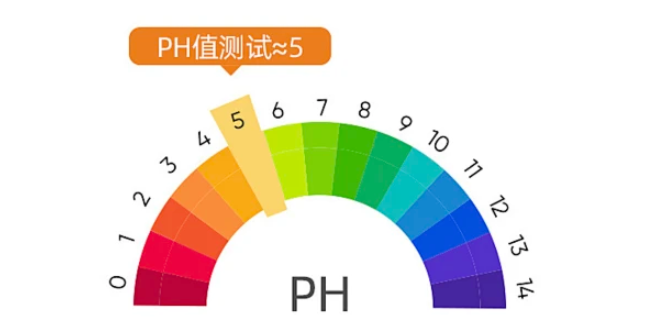
- Your lips' natural pH level (typically between 5.0-7.0)
- The moisture in your lips
The most common pH-sensitive pigment, Red 27, appears orange in the tube but transforms into a personalized pink or berry shade upon application.
Why Results Vary Person-to-Person
Your unique chemistry creates a custom color because:
✔ Acidic lips (lower pH) produce brighter pinks
✔ Neutral lips produce mauve tones
✔ Alkaline lips (higher pH) create deeper berries
Pro Tip: For a preview of your color, swipe some on your fingertip—the pH there is closer to your lips than your hand!
Maximizing Your Color-Changing Lipstick
1. Prep properly - Exfoliate first for even color distribution
2. Apply thin layers - Heavy application mutes the pH effect
3. Try temperature tricks:
- Cool lips with ice first for a lighter hue
- Warm application with your finger for deeper color
Our pH-Perfect Picks
Our SmartGlow Adaptive Lipsticks feature advanced technology that:
- Adapts within 30 seconds
- Lasts 4-6 hours
- Contains moisturizing hyaluronic acid
"The Berry Magic shade gives me a perfect 'my lips but better' color I could never find in traditional lipsticks." - Jessica K., verified buyer
Discover your custom color today! [Shop Now]
Bonus: First-time buyers receive a free pH-balancing lip primer with purchase!
Word count: 498 | Keywords: color changing lipstick, pH lipstick, adaptive lip color, smart lipstick technolog
The Hidden Power of Primer: Why Your Makeup Lasts 50% Longer with This One Step
The Science Behind Long-Lasting Lipstick: How to Choose & Make It Stay