When to Use Setting Powder: Your Guide to a Flawless Finish
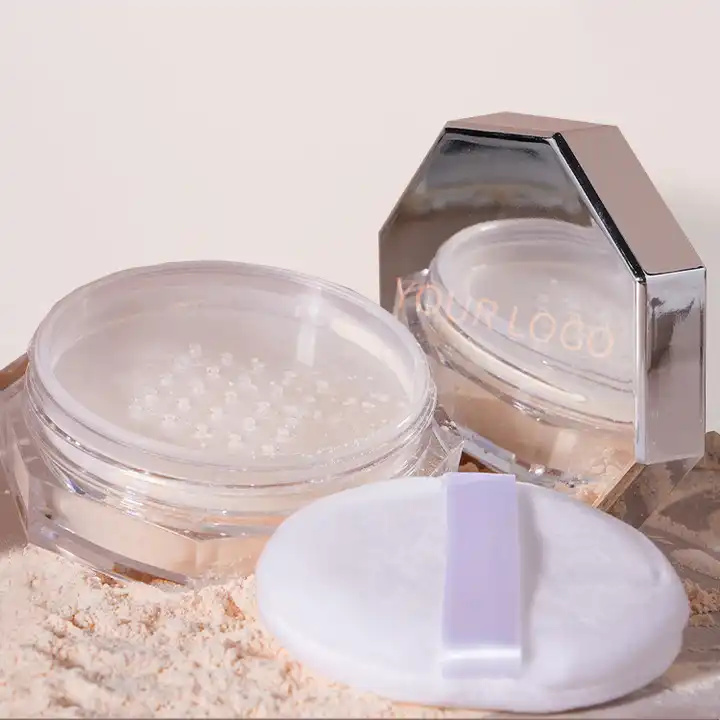
Setting powder is one of the most transformative tools in a makeup kit, but knowing when to wield it is the key to unlocking its true potential. It’s not a product you necessarily need to use every single day, but at the right moment, it can be the difference between a good makeup day and a great one. So, when exactly should you reach for that little jar of magic?
Let’s explore the key scenarios where setting powder becomes your secret weapon.
1. When You Have Oily or Combination Skin
This is setting powder’s primary superpower. If your skin tends to get shiny throughout the day—especially in the T-zone (forehead, nose, and chin)—setting powder is non-negotiable. It acts like a tiny blotter, absorbing excess oil before it can break down your foundation and concealer. By applying powder to your oiliest areas, you create a matte base that significantly prolongs the wear of your makeup, preventing it from sliding off by midday.
2. To Lock In Cream and Liquid Products
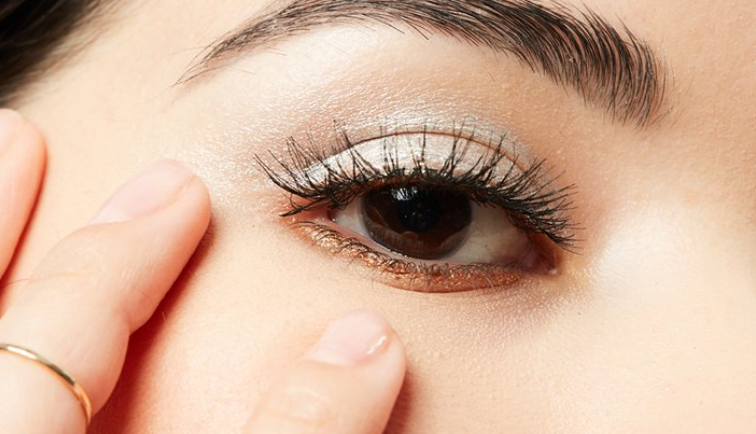
The fundamental purpose of setting powder is to “set” or dry down liquid and cream formulations. This is most critical in areas prone to creasing. After applying your liquid concealer under the eyes, immediately dust a small amount of powder over it. This sets the product in place, preventing it from settling into fine lines and creating those unwelcome creases. The same logic applies to cream blush or contour; a light dusting of powder over top helps fuse it to the skin for a longer-lasting effect.
3. When You Desire a Matte, Velvety Finish
Perhaps you’re going for a full-glam look or simply prefer a shine-free complexion. Setting powder is essential for achieving that flawless, matte, and airbrushed finish. It blurs the appearance of pores and fine lines, creating a smooth canvas that looks incredible in photographs. If your foundation is naturally dewy and you want to tone down the shine, powder is the perfect way to mattify it without compromising coverage.
4. The "Baking" Technique for Maximum Hold
For those days when you need your makeup to be absolutely bulletproof—think a long day at a wedding, a hot summer event, or a performance—this is when you use setting powder more heavily. The "baking" technique involves applying a thick layer of translucent powder under the eyes, on the chin, and along the smile lines, letting your body heat “bake” it for 5-10 minutes, and then brushing off the excess. This process presses the makeup into the skin for extreme longevity and a bright, creaseless finish.
When to Be Cautious with Powder
While incredibly useful, setting powder isn't always the answer. If you have very dry or mature skin, a heavy hand with powder can accentuate dry patches and fine lines, making skin look cakey. In this case, use powder sparingly and only where absolutely necessary (like under the eyes), and opt for a finely-milled, hydrating formula.
The Final Word:
Think of setting powder as a targeted solution rather than an all-over necessity. Its primary role is to combat oil, prevent creasing, and create a matte finish. Use it strategically in your problem areas to enhance your makeup’s wear time and appearance. By understanding when to use it, you can harness its power to achieve a complexion that looks polished and lasts all day.
Face Powder 101: Your Ultimate Guide to a Flawless Finish
What Are The Differences Between Setting Powder and Setting Spray?