Blush Types: Find Your Perfect Flush for Every Skin & Style
that can instantly brighten your complexion and lift your entire look. But with so many blush types on the market, from powdery puffs to creamy sticks, it’s easy to feel overwhelmed. Whether you have oily skin, dry skin, or prefer a natural finish over drama, there’s a blush formula designed just for you. Today, let’s break down the four main blush categories, their pros, application hacks, and who they’re best suited for.
First up: Powder Blush—the classic choice that’s stood the test of time. This is the most widely available formula, usually pressed into compact pans with a soft brush for application. Powder blush is ideal for oily or combination skin, as it absorbs excess shine and offers long-lasting wear (think 6–8 hours without touch-ups). It comes in a range of finishes: matte for a subtle, matte flush, satin for a hint of luminosity, and shimmery for a glowing, sun-kissed look. The key to applying powder blush is to tap off excess product first—you can always build up color, but it’s hard to tone it down! Pro tip: Use a fluffy blush brush for diffused color or a smaller angled brush for precise placement on the apples of your cheeks.
Next, Cream Blush—the dewy, natural-looking option that’s beloved by makeup artists. This formula has a creamy, balm-like texture that melts into the skin, creating a “just-blushed” flush that looks totally effortless. Cream blush is perfect for dry or mature skin, as it adds hydration without settling into fine lines. It’s also great for on-the-go touch-ups, since many come in stick form—just swipe directly onto cheeks and blend with your fingertips or a damp beauty sponge. The finish is buildable: start with a sheer layer for daytime and add more for a bold pop at night. Look for cream blushes with nourishing ingredients like shea butter or jojoba oil to keep skin feeling soft.
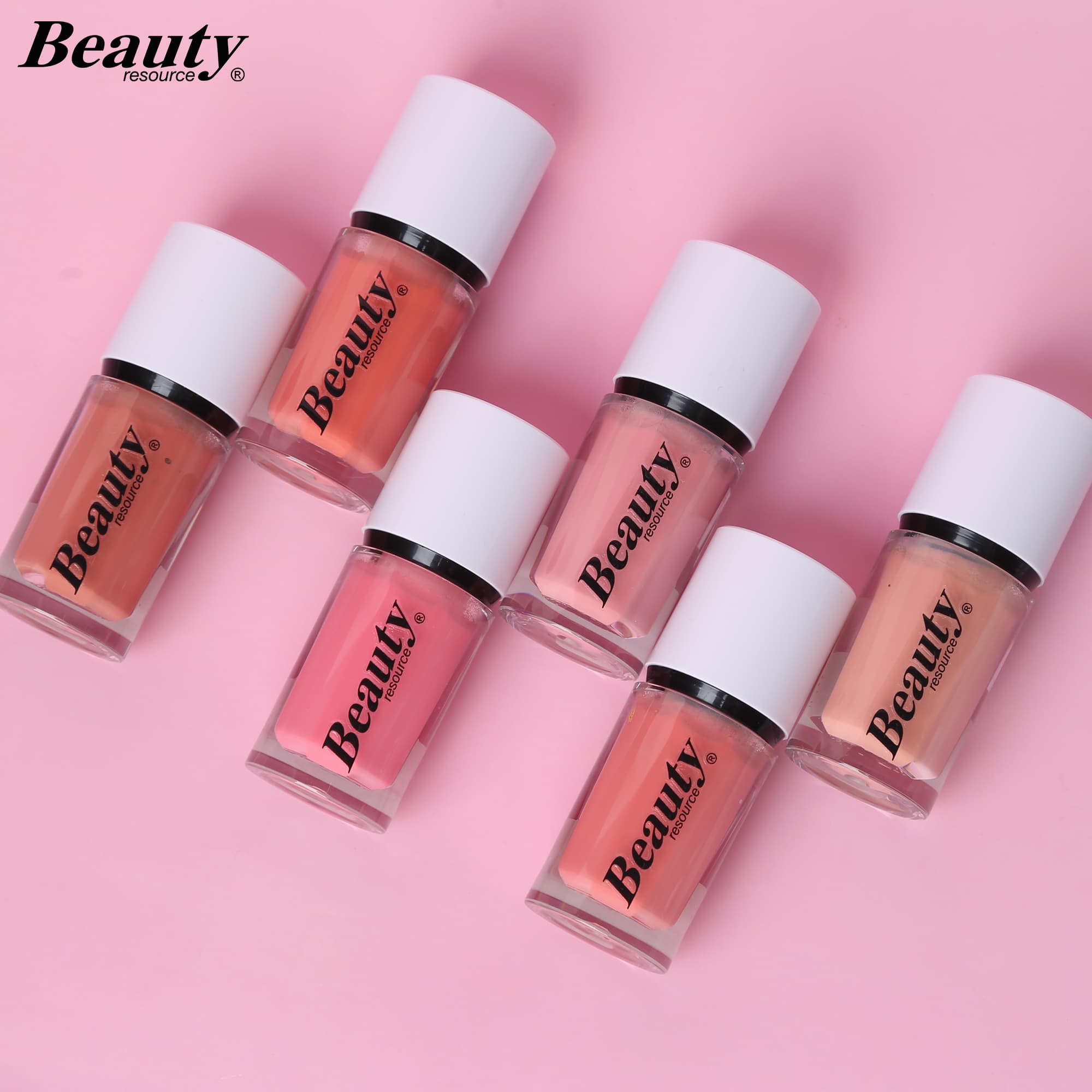
Then there’s Liquid Blush—the long-wearing, pigment-packed pick for makeup lovers who want staying power. Liquid blush has a lightweight, watery texture that dries down quickly to a seamless finish. A little goes a long way—just a dot or two on each cheek is enough to create a vibrant flush that lasts from morning to night. It’s suitable for all skin types, but especially great for those who hate powdery residue or want a “skin-like” finish. The trick is to blend fast—liquid blush sets quickly, so use a damp sponge or your fingers to tap and blend before it dries. It layers beautifully over powder or cream products, making it a versatile addition to any makeup bag.
Last but not least: Gel Blush—the middle ground between cream and liquid. Gel blush has a jelly-like texture that’s lightweight, refreshing, and perfect for summer or oily skin. It’s oil-free, non-greasy, and delivers a sheer, dewy flush that looks natural and fresh. Gel blush is easy to apply—squeeze a small amount onto your fingertips, dot onto cheeks, and blend upward for a lifted effect. It’s also great for layering: use it alone for a subtle glow or under powder blush for extra longevity. Many gel blushes are water-based, making them gentle on sensitive skin and easy to remove at the end of the day.
The best part about blush is that there’s no “one-size-fits-all” formula—you can mix and match based on your mood, skin type, or occasion. Oily skin? Reach for powder or gel. Dry skin? Cream or liquid will keep you glowing. And if you’re new to blush, start with a sheer formula (like gel or cream) and build up—you’ll be hooked on that healthy flush in no time.
What’s your go-to blush type? Let me know in the comments—whether you’re a powder purist or a liquid loyalist, I’d love to hear your favorites!
This blog breaks down each blush category with practical details to help readers decide. If you want to add specific product recommendations, skin tone-specific shade tips, or eco-friendly options, just let me know—I can expand or adjust the content to fit your needs! You could also include a quick “blush cheat sheet” at the end for easy reference.
How to Choose The Intense & Smudge-Proof: Gel Eyeliner
How to Choose The User-Friendly: Felt-Tip & Brush-Tip Liners