To Dust or Not to Dust? The Honest Pros and Cons of Setting Powder
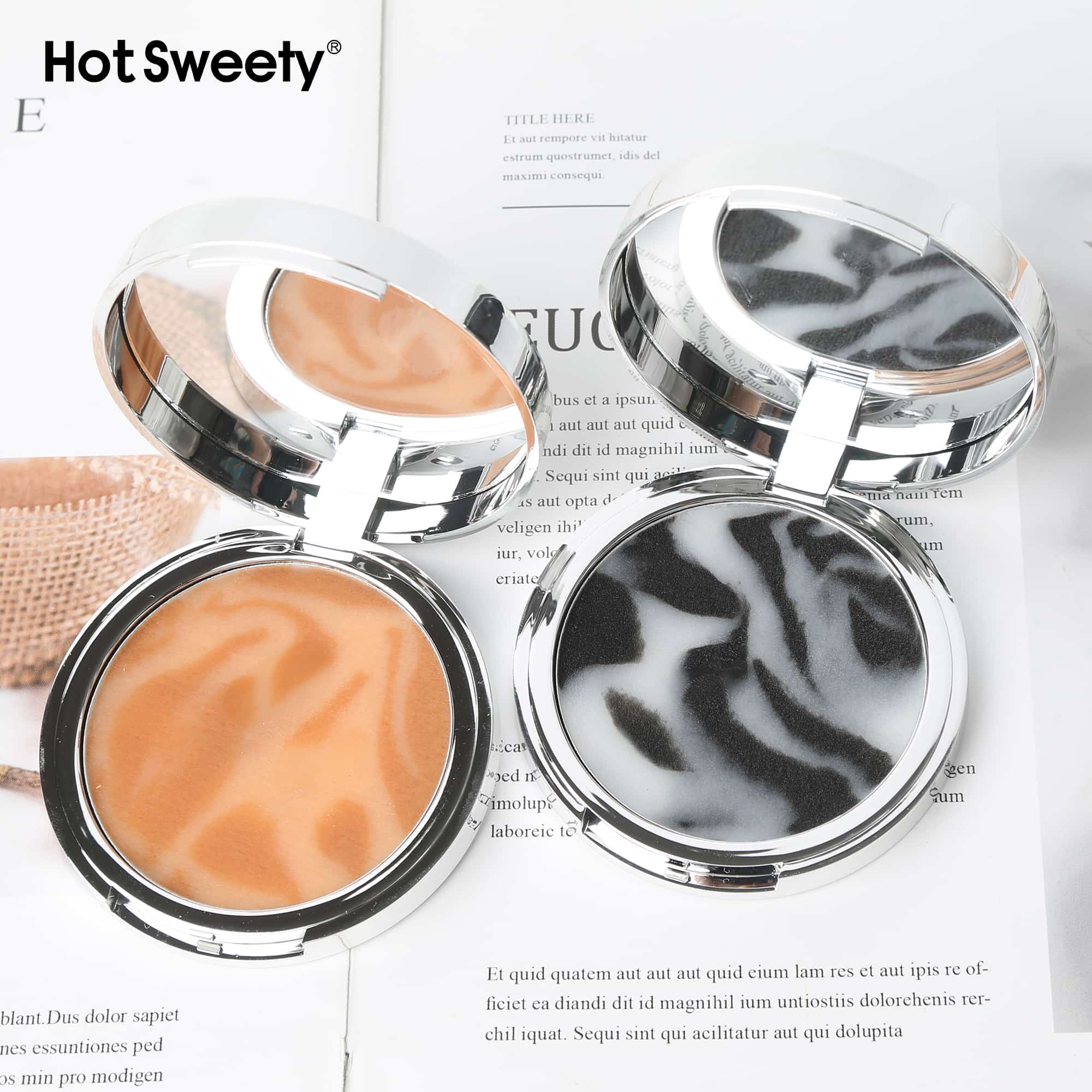
Let's talk about the unsung hero (and sometimes, the frustrating foe) in many makeup routines: setting powder. This simple product sits at a critical junction in our beauty rituals, promising to lock in our hard work. But does it deliver? The truth is, setting powder is a powerful tool with a very clear set of advantages and drawbacks. Understanding both sides is the key to deciding if it deserves a permanent spot in your vanity.
The Shining Pros: Why We Keep Reaching for the Puff
First, let’s explore the undeniable benefits that make setting powder a staple for makeup artists and enthusiasts worldwide.
1. The Ultimate Shine Stopper: This is its superstar feature. For those with oily or combination skin, setting powder is a non-negotiable. It absorbs excess sebum throughout the day, preventing that unwanted midday glow from turning into a full-blown slick. By mattifying the skin, it creates a perfect, velvety canvas that keeps foundation and concealer looking fresh for hours longer than they would on their own.
2. Locking & Setting for Longevity: Powder acts as a sealant. When applied over liquid or cream products (think foundation, concealer, cream blush), it helps to "set" them in place. This reduces transfer onto masks, phones, and clothing, and dramatically increases the overall wear time of your makeup. It’s the secret behind flawless makeup that survives a long day.
3. The Blurring Effect: Modern setting powders, especially those labeled "blurring" or "translucent," are masters of optical illusion. They soften the appearance of fine lines, large pores, and texture by diffusing light. This creates a smoother, more airbrushed finish that’s hard to achieve with liquids alone.
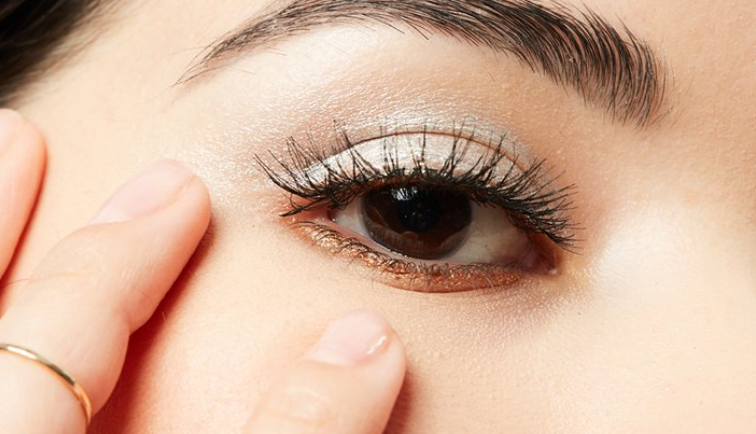
4. Perfecting the Details: Ever had concealer crease under your eyes? Setting powder is the fix. A light dusting in areas prone to creasing (like the under-eyes and smile lines) helps to "bake" or set the product, preventing it from settling into folds and keeping it looking flawless.
The Potential Cons: When Powder Goes Wrong
However, it’s not all smooth sailing. Misuse or the wrong formula can lead to some all-too-common makeup mishaps.
1. The Dreaded Cake Face: This is the most frequent complaint. Applying too much powder, using a formula that’s too dense for your skin type, or powdering over poorly hydrated skin can result in a heavy, mask-like, and overly matte appearance. Instead of looking like skin, makeup looks thick, dry, and settles into every line.
2. Sucking the Life Out of Skin: For those with dry or mature skin, powder can be a double-edged sword. While it sets makeup, it can also emphasize dry patches, fine lines, and wrinkles, making the skin look parched and aged. It can strip away the natural, dewy radiance that gives skin a healthy, youthful look.
3. Flashback Fiasco: A specific but crucial con for photo-takers! Some setting powders, particularly those containing SPF ingredients like Titanium Dioxide or Zinc Oxide (common in mineral-based powders), can cause a white cast in flash photography. This "flashback" is the ghostly white face you sometimes see in photos.
4. Potential for Oxidation: While less common, some powders can interact with the oils in your foundation or your skin’s chemistry, causing your foundation to darken or turn slightly orange over time.
The Verdict: Making Powder Work For You
So, is setting powder good or bad? The answer is: it’s a phenomenal tool when used strategically. The goal is to harness its pros while skillfully avoiding the cons.
For Oily/Combination Skin: Embrace it! Focus on oil-prone areas (T-zone). A light, translucent powder is your best friend.
For Dry/Mature Skin: Tread carefully. Use a very finely-milled, hydrating powder with ingredients like hyaluronic acid. Only apply a whisper-light dusting where strictly needed (e.g., under eyes to set concealer) and avoid the drier areas of your cheeks.
For Everyone: Less is always more. Use a fluffy brush for a light, diffused application rather than a dense puff. Always prep skin with adequate moisturizer. And if you're planning a big night out with photos, do a flash test with your powder or opt for a known flashback-free formula.
In the end, setting powder isn't a mandatory step, but a strategic choice. By weighing its brilliant locking power against its potential for dryness, you can make an informed decision. Used wisely, it’s not just about setting your makeup—it’s about perfecting it.
Beyond Setting: Your Guide to the 3 Types of Finishing Sprays
Forget What You Know: The Unconventional Guide to Picking a Cream Blush