How To Get Natural-Looking Red Hair at Home
Choose the right shade for your skin tone
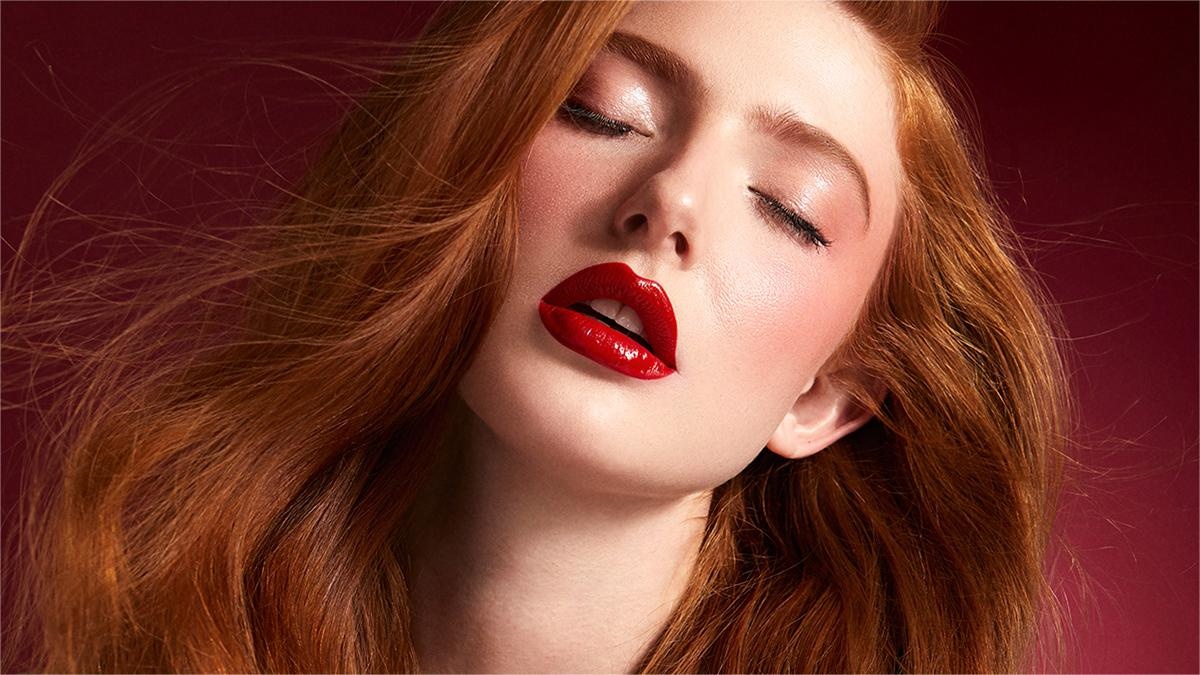
Different shades of red hair will flatter some skin tones better than others. When considering hair color, it's handy to know your undertone, as certain shades flatter different skin tones more than others.
Start by identifying your undertones—they’re typically categorized as warm, neutral, or cool. If you’re unsure what your undertones are, take a look at the veins on the inside of your wrist. A greenish tint is typically indicative of warm undertones, while those with blue or purple veins generally have cool skin. If your veins appear teal—or you can’t quite discern the color—you likely have neutral undertones.
From there, you can select a red hair color that complements your undertones. Since red has an inherent warmth, most true reds complement warm complexions well. If you’re fair, try a lighter red hue, such as strawberry, copper, or auburn. Deeper shades, like chocolate cherry, flatter medium and deep complexions beautifully. If you have cool-toned skin, consider opting for a purple-leaning red, such as burgundy or violet.
Once you find a dye you like, look at all the red options. When it comes down to it, you’ll want to select a red hair color that makes you feel confident; that’s the most important part.
Dye your hair
Different hair dyes have different instructions for use. Depending on your starting shade and desired end result, you may need to bleach your hair before applying your color. In either case, you’ll want to follow the instructions on the box exactly to ensure the best possible end results. Fortunately, most of the best at-home red hair dyes come with detailed instructions and include all the tools you need to nail your at-home dye job.
If you opt to go the professional route, bring inspiration pictures with you—this will help give your stylist a better idea of the end result you’re after.
Snag a color-safe shampoo and conditioner
Even the best at-home red hair color will fade eventually (and, generally, red fades faster than other hues). That said, I’ve learned a few tricks to keep my color vibrant between dye jobs. There are plenty of products that are designed to enhance vibrancy, from shampoos and conditioners, to masks, glosses, styling treatments, and sprays.
When selecting products—especially shampoos—be sure to opt for gentle, color-safe formulas that won’t strip your new color. Harsh shampoos can lead to premature fading.
I’m a big fan of the Shu Uemura Art of Hair Color Lustre line, as it keeps my red hair color vibrant and healthy-looking. When I use the Color Protecting Shampoo and Color Protecting Conditioner, my hair maintains a fiery punch that gleams like molten lava in the light. I also like to spritz my mane with the Shu Uemera Color Lustre Color Sealer Spray after showering for an extra dose of shine. This easy-to-use spray with sake kasu and niacinamide hydrates the hair, protects against UV-induced hair damage, and minimizes fading for bright, vibrant color. If you don’t want to add any new products to your routine, try washing your hair less frequently (only one to two times a week) because the more you cleanse your hair, the quicker the color can dull.
8 Colored Mascara Looks To Try
How To Choose a Blush Color